

New U of T tool gives cities a roadmap to cut construction-related emissions
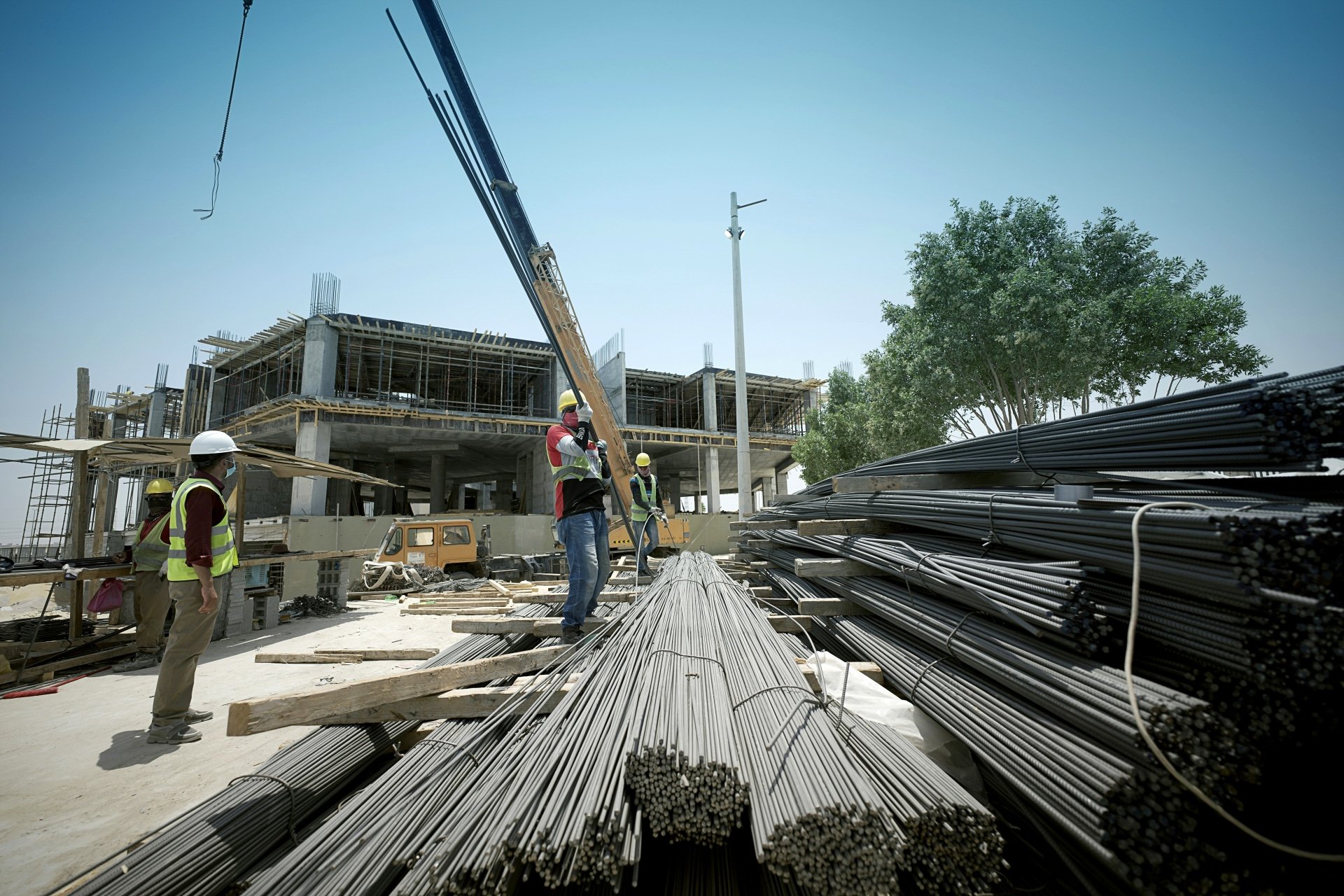
A new report and tool out of the University of Toronto narrows in on construction-related greenhouse gas emissions. Photo by Glenov Brankovic via Unsplash
By Cloe Logan
Turning iron into steel, manufacturing cement for concrete and hauling those heavy materials to construction sites are highly emissions-intensive processes, yet they’re frequently ignored in plans to decarbonize cities.
Researchers from the University of Toronto are trying to change that. This month, they launched an open-source tool that allows 1,000 cities around the world, including Toronto, to keep track of their construction-related greenhouse gas emission budgets.
There are many areas that will need to drastically decarbonize to keep warming below the Paris Agreement target of 2 C — such as cutting methane and upping renewables — but construction-related emissions are part of the puzzle, explains Keagan Rankin, who is the lead author of the paper that breaks down the tool.
Rankin likens climate targets to a marathon that cities are running without knowing the starting or finish line, or even the route.
“They don't know where they have to be to stay in line with science by 2050 or 2060, they don't know what their reduction should be, and then they don't really know the strategies or that are required to go from one to the other,” he said.
“So how are you supposed to run the race? And the idea behind this paper and the accompanying dashboard is, let's give cities those tools they wouldn't otherwise have to be able to run that race.”
This reporting is produced with support from I-SEA’s Climate Solutions project and is not behind National Observer’s subscriber paywall. Readers are asked to create a FREE National Observer account to access the full article.