

The glaring problem with Canada’s solar sector and how to fix it
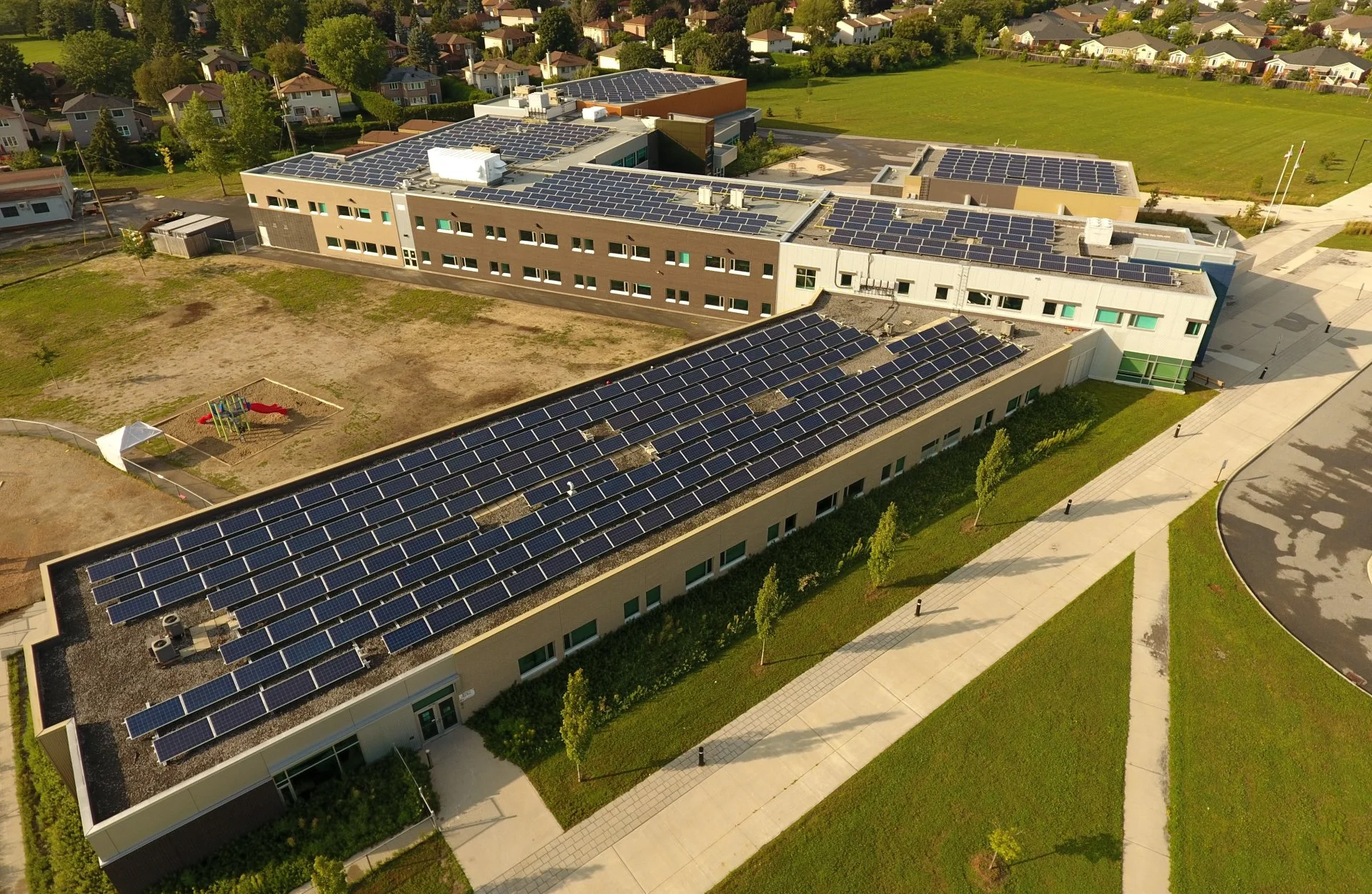
Renewable energy sources, like solar, are key parts of Canada's net-zero strategy, but this push is unsustainable without regulations governing hazardous e-waste, resource extraction and recycling. Photo iSolara Solar Power
By Leigh Matthews
Giant solar farms have been widely heralded as great news for green energy in Canada. But is solar energy really sustainable? In the clamour to promote solar panels, there has been a conspicuous silence about the environmental costs of production and what happens to all those panels at end of life.
Giant solar farms have been widely heralded as great news for green energy in Canada. But is solar energy really sustainable? In the clamour to promote solar panels, there has been a conspicuous silence about the environmental costs of production and what happens to all those panels at end of life.
In 2020, Canada’s solar sector is expected to produce 700 metric tonnes of waste from decommissioned solar panels. By 2030, that figure could rise to 13,000 metric tonnes, yet Canada has no dedicated solar panel recycling facility, nor any incentives for sustainable manufacturing. Where do all these dead solar panels go, and what is Canada doing, if anything, to plan for the tsunami of e-waste to come?
This reporting is produced with support from I-SEA’s Climate Solutions project and is not behind National Observer’s subscriber paywall. Readers are asked to create a FREE National Observer account to access the full article.