

First Nations Forward
All reporting produced as part of the project is free to the public and is not behind National Observer's paywall.
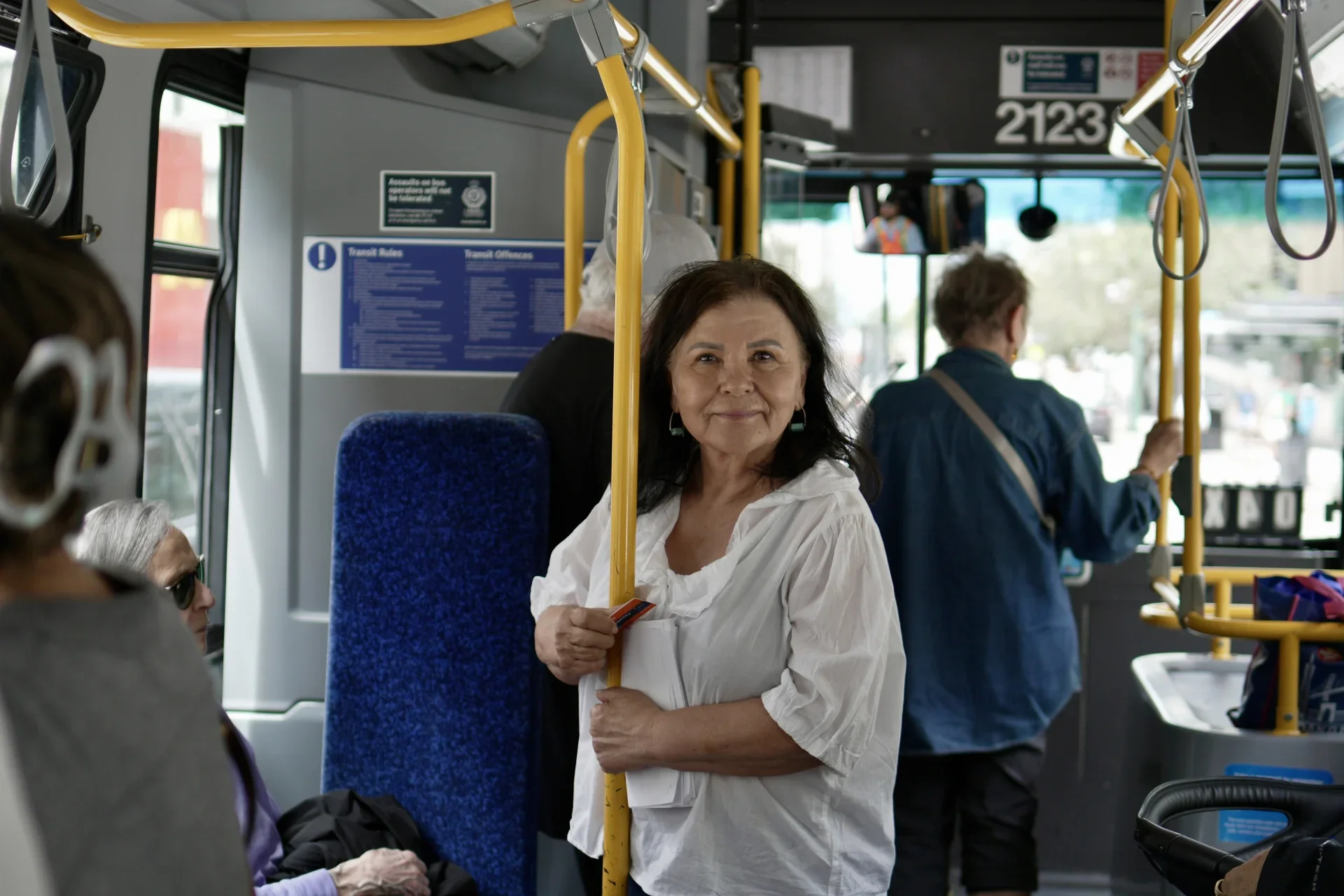
Indigenous riders try out free transit, EV use in Vancouver project
A federally funded Vancouver pilot is providing free transit passes and access to a shared EV for residents of an Indigenous housing community, aiming to reduce transportation costs and barriers.
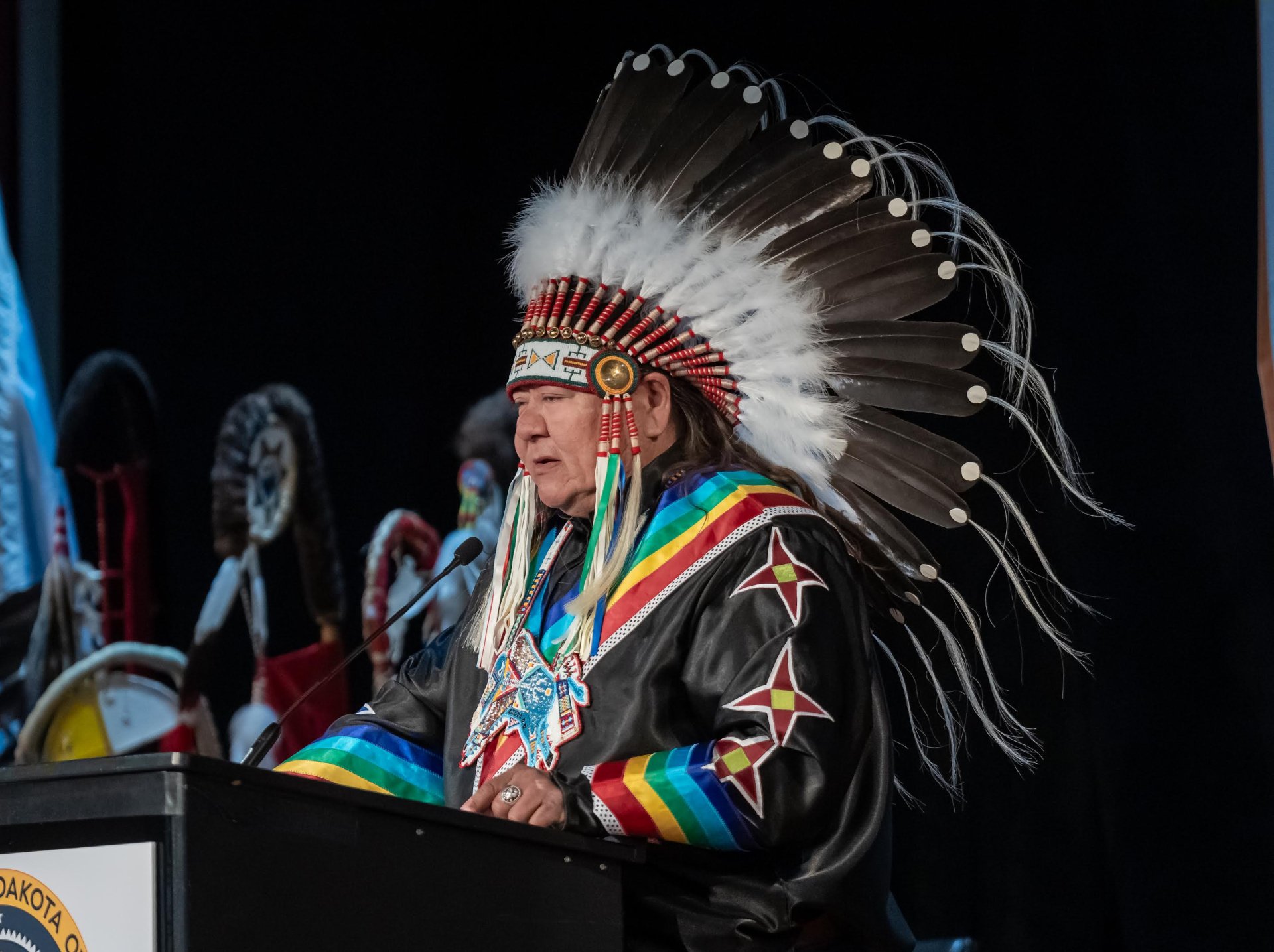
Indigenous nations plan customs-free trade corridor across Canada-US border
A First Nation in Saskatchewan is reviving centuries-old trade routes by developing an Indigenous-led corridor that could soon see trucks carrying food, furniture and critical minerals south of the border along ancestral pathways — free from taxes or tariffs.
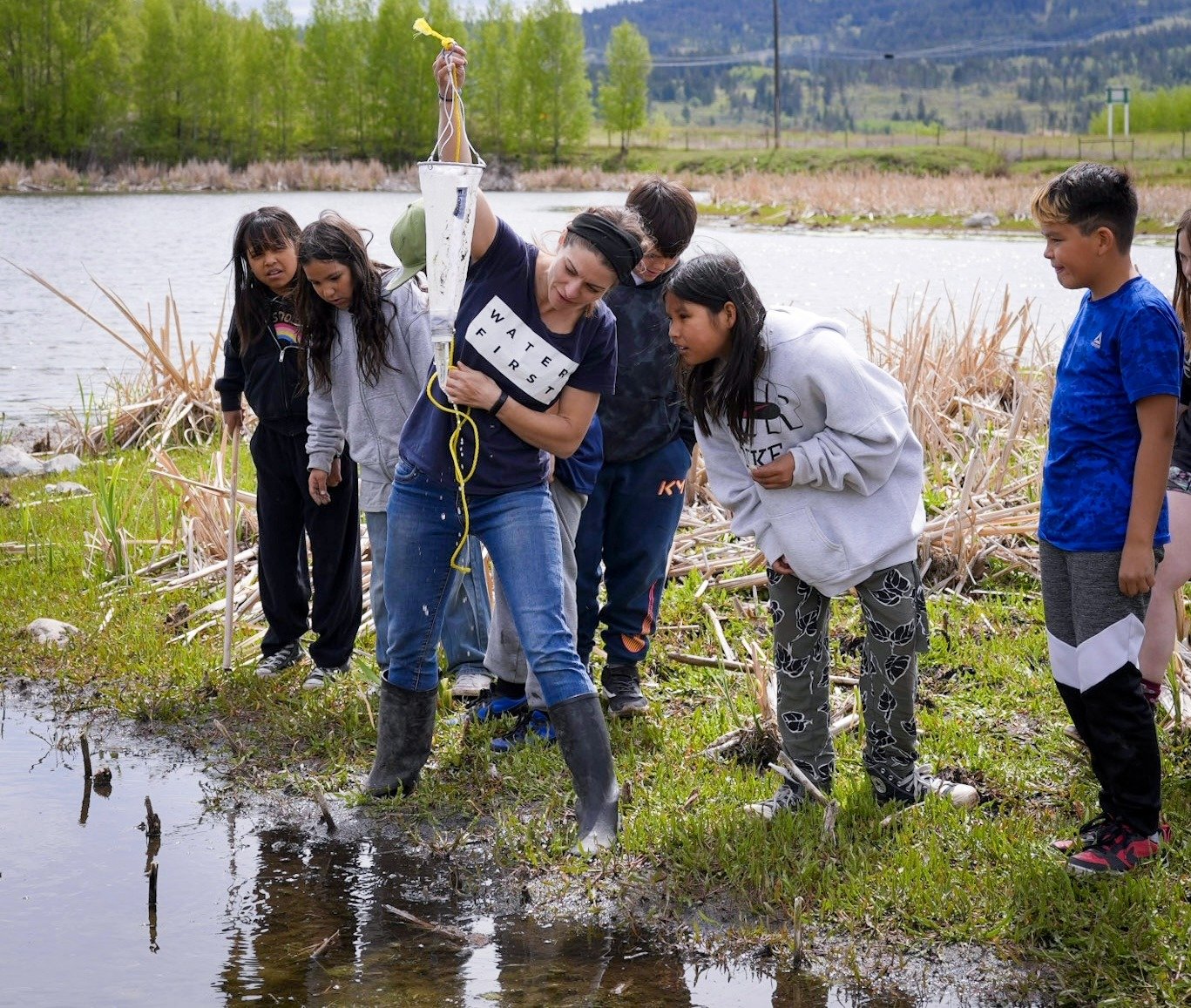
Summer program trains young people to tackle water crises
Across the country, First Nations youth are stepping up as the next generation of water protectors amid Canada’s ongoing drinking water advisories.

Following hard-won sea otter recovery, First Nations call for a new hunt
Sea otters nearly vanished from BC’s coast 50 years ago but have made a remarkable comeback. Their return, however, threatens shellfish vital to Indigenous communities, who now seek to revive traditional hunting to protect their way of life.
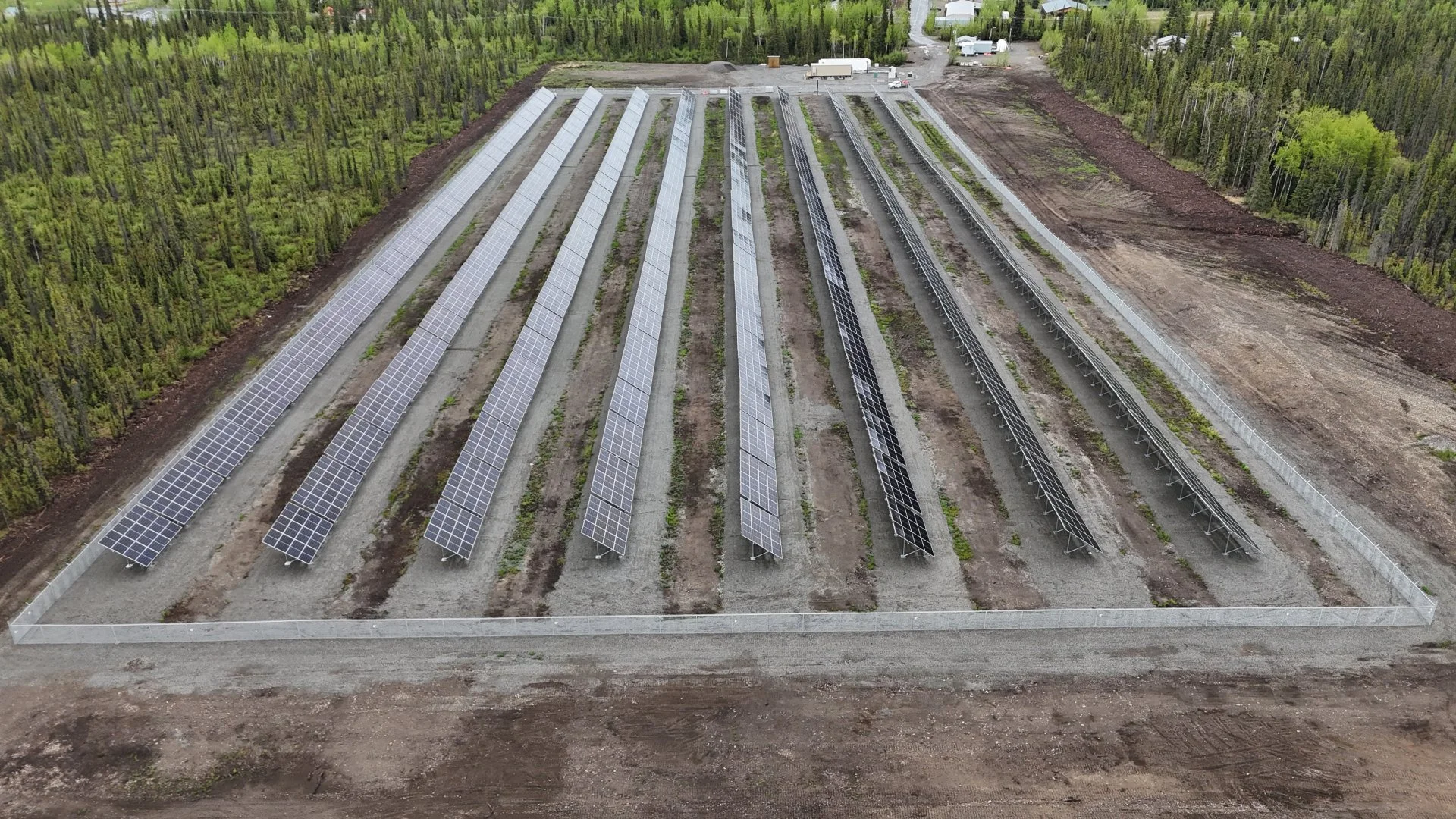
Yukon community cuts diesel use by more than half
Beaver Creek’s White River First Nation leads the way with a solar breakthrough, slashing diesel use by over half and reclaiming energy independence through Indigenous-owned clean power.

BC First Nations are leading a waste revolution
B.C. First Nations are leading innovative recycling and zero-waste initiatives, reshaping local waste management and setting a model for sustainable practices across Canada.

'Here We Stand': River journey protests controversial bills
A 20-year-old university student from Attawapiskat First Nation in northern Ontario is putting his summer on hold — and taking a 400-kilometre boat journey to protest against new provincial and federal bills he says threaten his people’s land, culture and way of life.
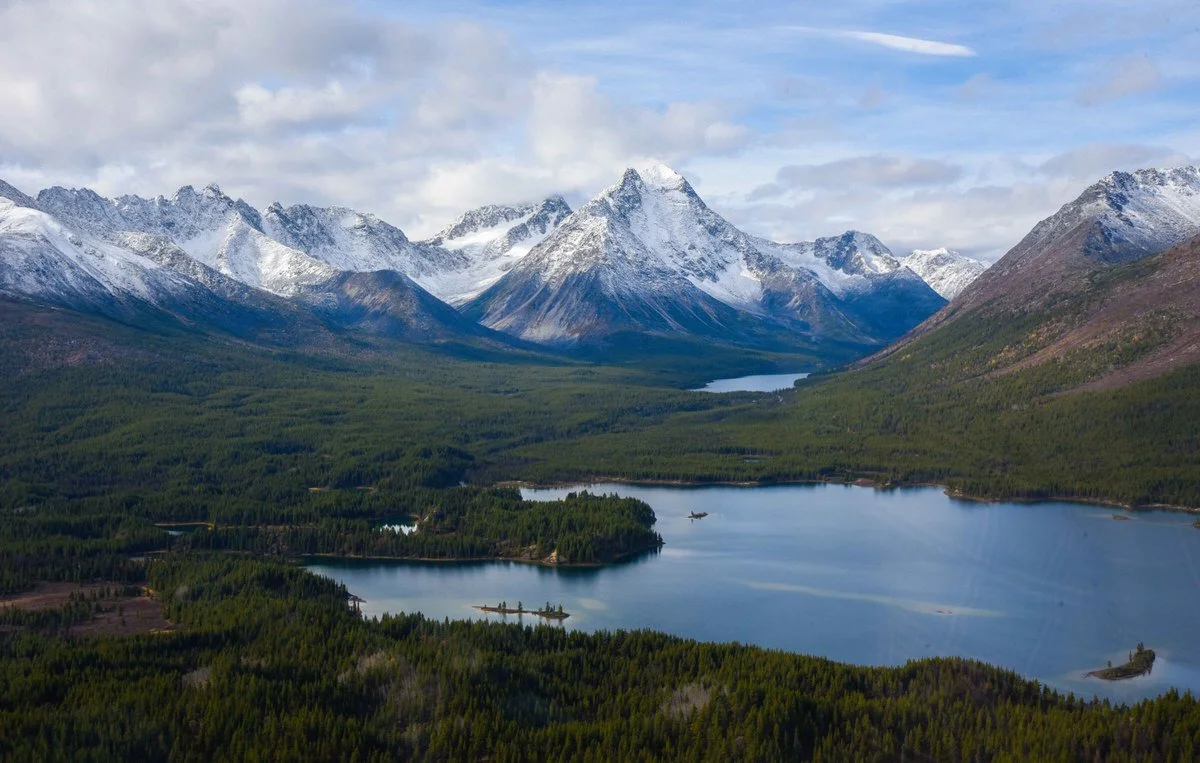
Buffalo harvest brings tradition and lunch to northern Saskatchewan schools
First Nations in northern British Columbia have secured a one-year pause on new mining claims across a vast stretch of their traditional territory, a move Indigenous leaders called “history-making” for Indigenous-led land management.

A year of protection: BC First Nations secure mining pause on ancestral lands
The buffalo harvest project, led by the Meadow Lake Tribal Council and its member First Nations, is changing how a generation thinks about food, tradition and self-sufficiency.
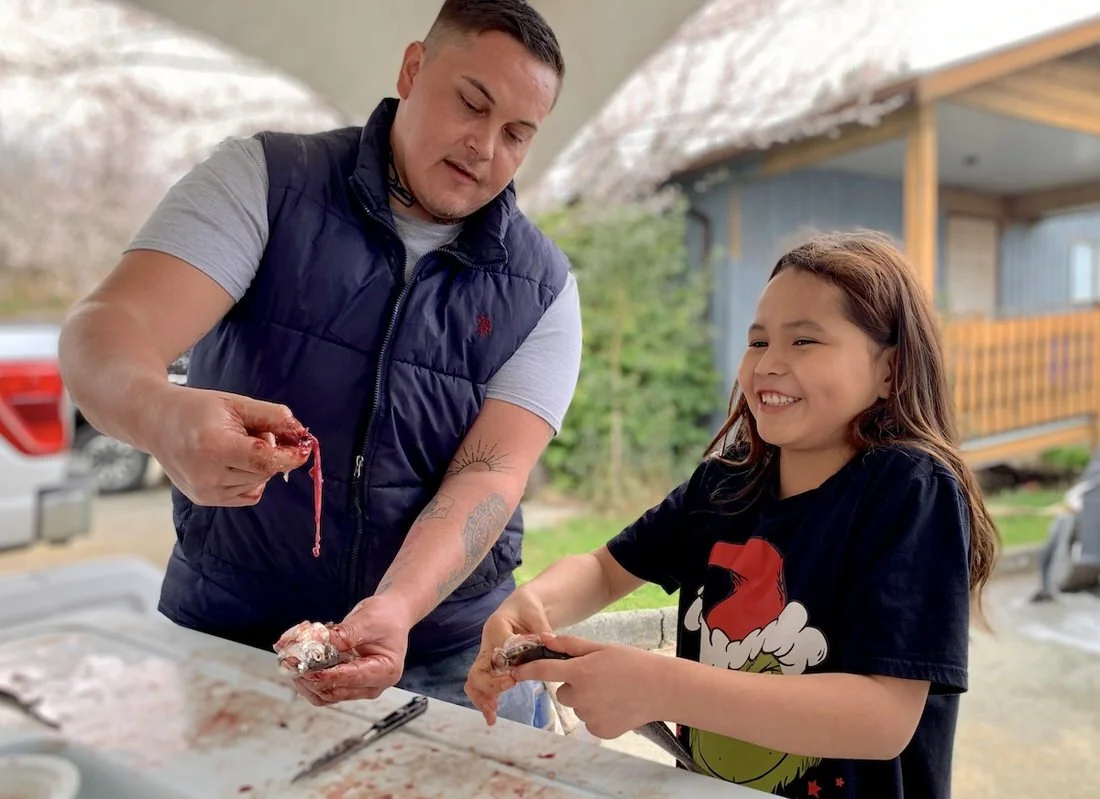
Sharing the fine art of cleaning herring
Sharing traditional skills and knowledge was part of the menu at the recent Island Indigenous Food Gathering near Port Alberni.

Indigenous food gathering nourishes culture and climate resiliency
First Nations from across Vancouver Island are gathering this week to celebrate and strengthen traditional food sovereignty and deepen Indigenous communities' response to climate change and other emergencies.

First Nations uneasy chronic wasting disease will weaken food security
Knowledge keeper and hunter Robin Louie is worried.
Worried his people’s food security, traditional knowledge and culture will suffer yet another hit with the dreaded arrival of chronic wasting disease in their territory in the southern Kootenays.

A coastal First Nation’s Guardians are ‘testing the water’ to prepare for climate change
A coastal First Nation’s Guardian team is gearing up to test the waters to try to limit the impacts of drought in their traditional territories on northeast Vancouver Island.
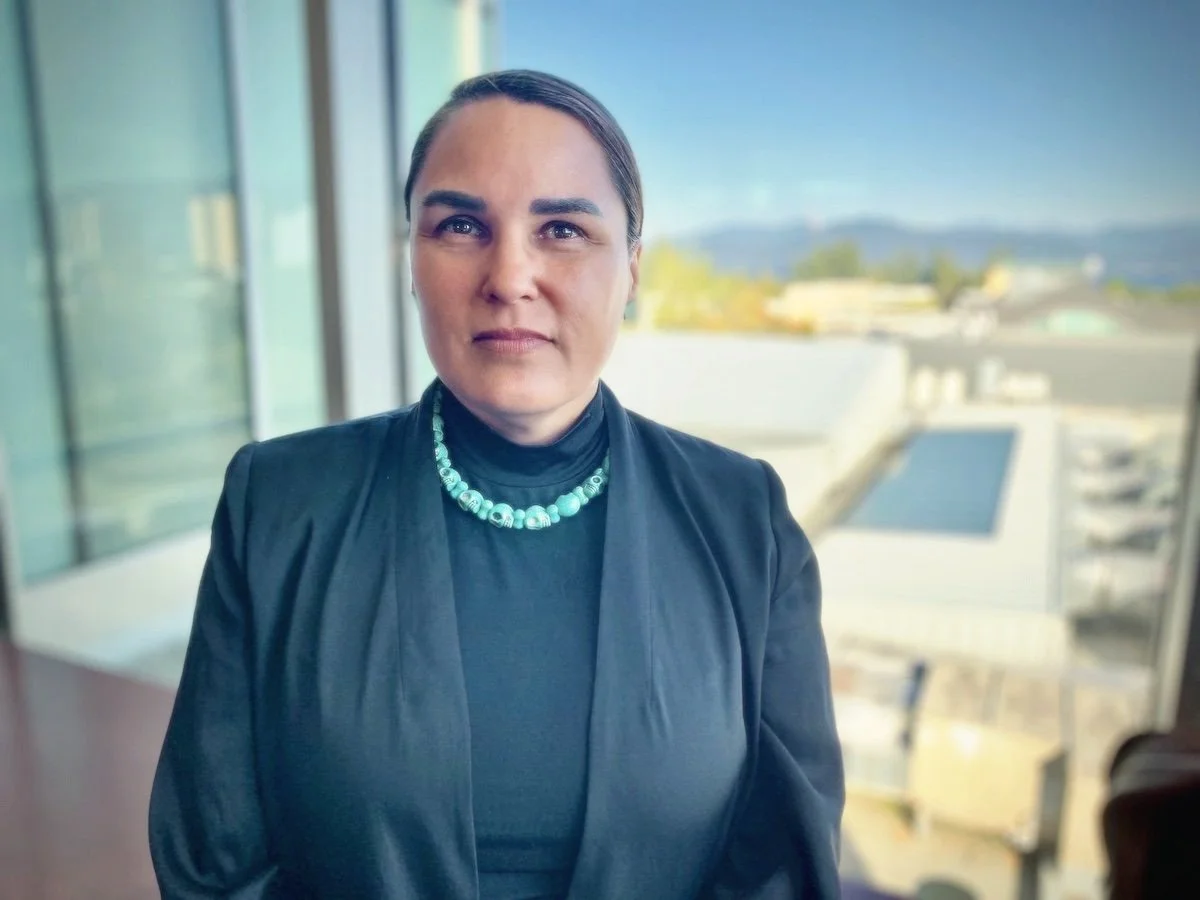
Economy needs Indigenous people and perspectives
Indigenous communities are leading Canada's clean energy boom, "and doing that with a slanted table," says a First Nations business leader working to build a successful climate economy that incorporates Indigenous Peoples and their world views.

How Canada is failing remote First Nation students in northern Ontario
At the end of spring, Canada’s National Observer published a five-part series on the incredible odds stacked against First Nation students in northern Ontario who must travel hundreds of kilometres away from their families to get a high school education.

‘Revolving door of teachers’ hurts everyone at First Nation schools
Sol Mamakwa, Ontario NDP MPP for Kiiwetinoong, an electoral district spanning the northwestern edge of the province, stands in front of a room full of teachers, parents and students who were probably expecting a speech. He delivers, instead, a speak-through-the-soul conversation that moves between storytelling and political demands.

Bringing education back to the land
Lawrence Wesley Education Centre in remote Cat Lake, a fly-in community 400 kilometres north of Thunder Bay, is a well-equipped school, with new Smart Boards, a new gym, a library and a computer room and a cafeteria large enough for all the students to eat together.

For Cat Lake students, graduation is a small miracle
Jackson Wesley is passionate about basketball. He plays for his high school team in Sioux Lookout, 180 kilometres from home. But it’s March break, and he’s back in Cat Lake First Nation for the week. His mom, Sylvia Wesley, is a kindergarten teacher at Lawrence Wesley Education Centre, so Jackson has a pair of keys to the gym if he wants to steal some practice time.

First Nations schools in Ontario stretched thin by limited resources, piecemeal funding
Last fall, Greg Quachegan took 10 students hunting, an annual tradition at Dennis Franklin Cromarty (DFC) High School in Thunder Bay, Ont. They bagged a moose, and the vice-principal taught his students how to be on the land, hunt, fish and clean the animals.
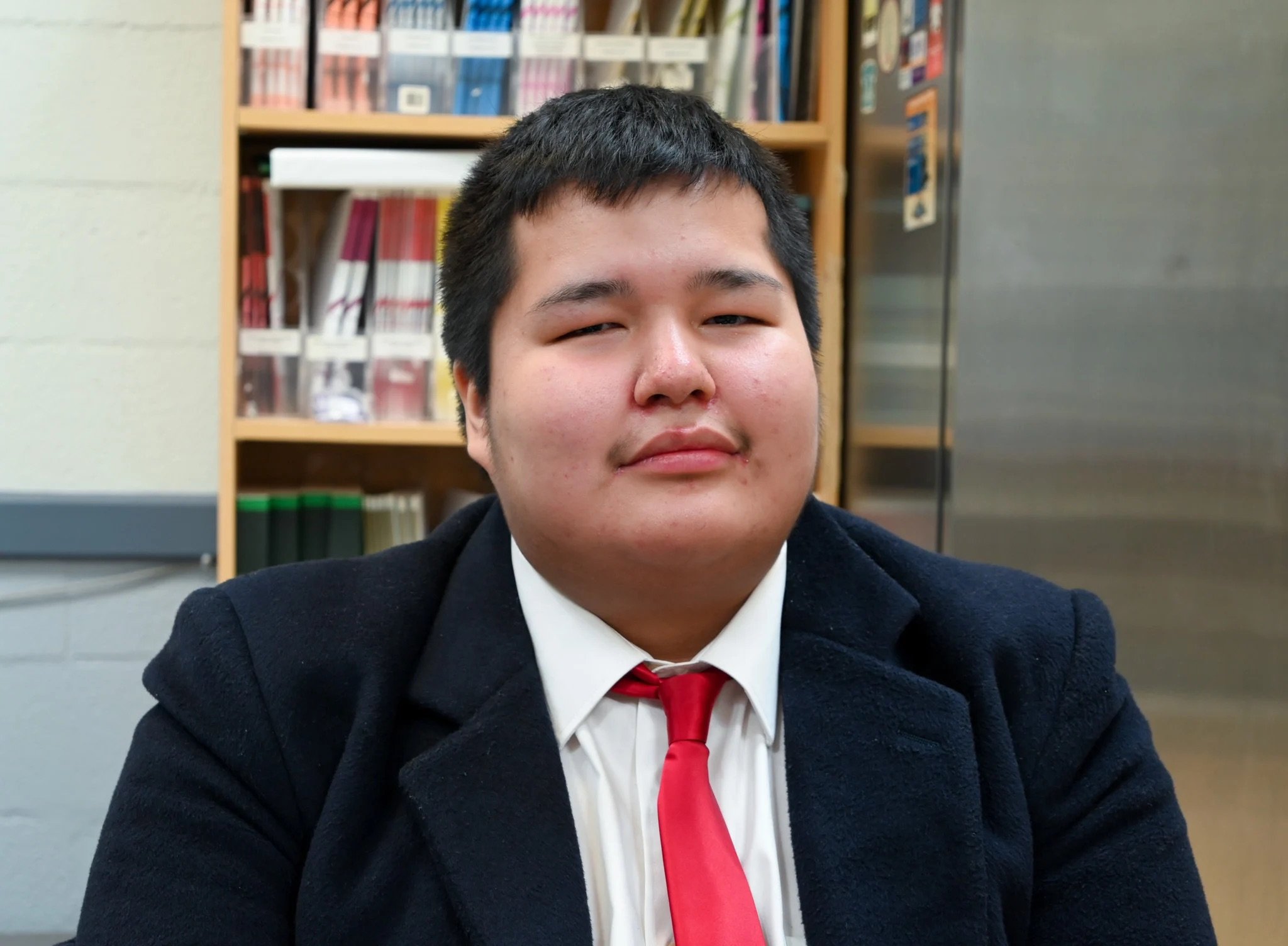
Indigenous education in Thunder Bay was broken. Now there are signs of hope
You may have heard about the Fallen Feathers, seven students who left their First Nations in the North for high schools in Thunder Bay, Ont., and never returned home.