

Focus on food technology at climate conference ignores what most of the world’s farmers need, experts say
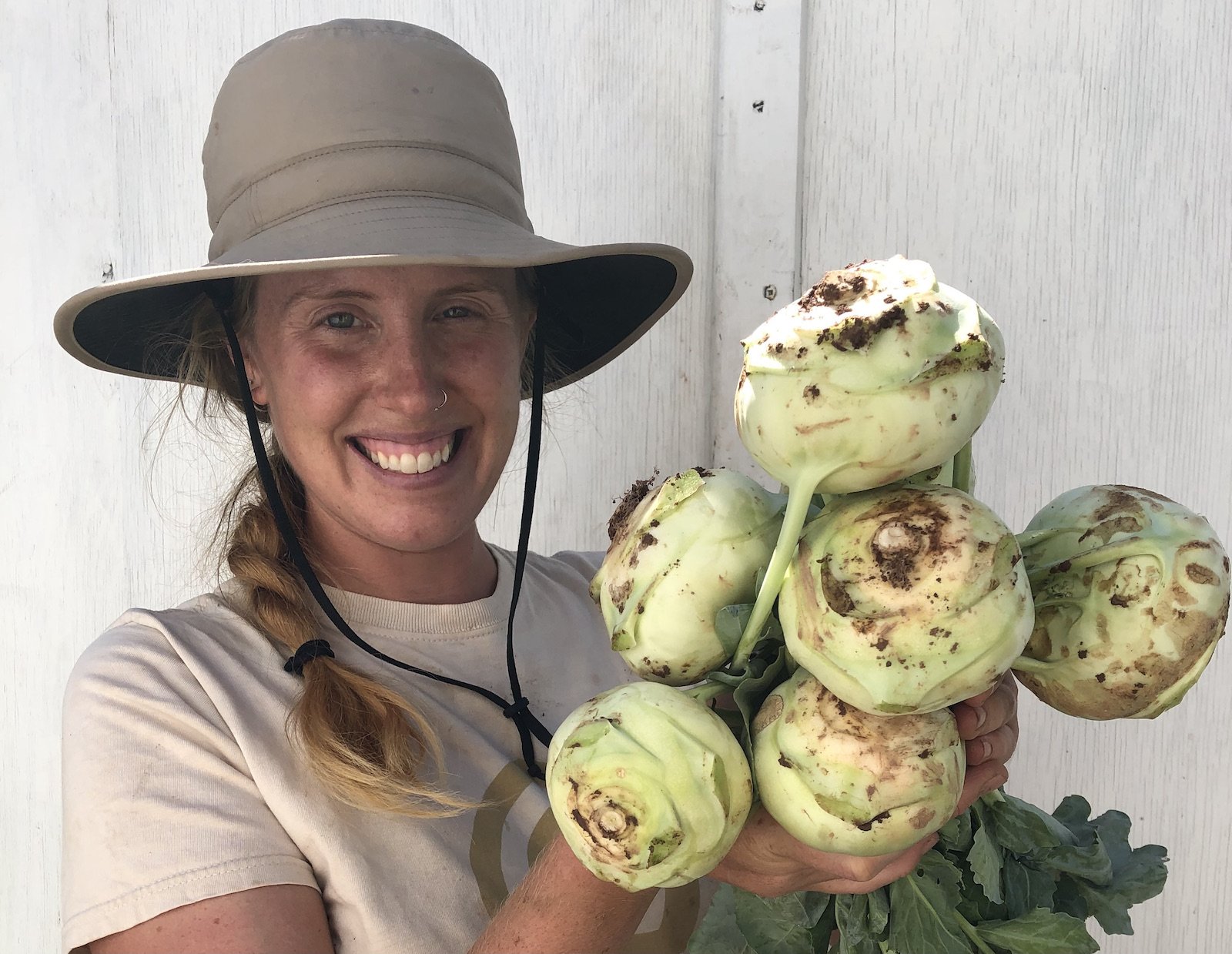
Efforts to make farms more sustainable must include farmers and agroecological principles said Jessie MacInnis, a farmer representing the National Farmers Union at COP26. So far, she hasn't seen enough farmers at the COP. Photo by Jessie MacInnis.
By Marc Fawcett-Atkinson
Forty-five governments led by the U.K. pledged Saturday at a global climate change conference in Glasgow, Scotland, to spend billions on transforming the world's farms, fisheries and forests in an effort to make our food more sustainable.
The Global Action Agenda for Innovation in Agriculture — or ClimateShot — wants to use policy reforms to increase spending on agricultural research and investments in new technologies designed to reduce pollution and emissions. Countries also pledged to protect farmers' livelihoods in the face of unpredictable or extreme weather caused by a changing climate.
While technology is being touted as a game changer to reduce greenhouse gas emissions from food systems — the path food takes from farm to fork — some experts say it’s merely a boost for agri-business. They’re promoting a shift that gives a larger role farmers and farming communities instead.
"We need to put people, nature, and climate at the core of our food systems," said U.K. environment secretary George Eustice. "There needs to be a fair and just transition that protects the livelihoods and food security of millions of people worldwide — with farmers, Indigenous people and local communities playing a central role in these plans."