

Transatlantic $30B power line linking Canada and Europe narrows route shortlist
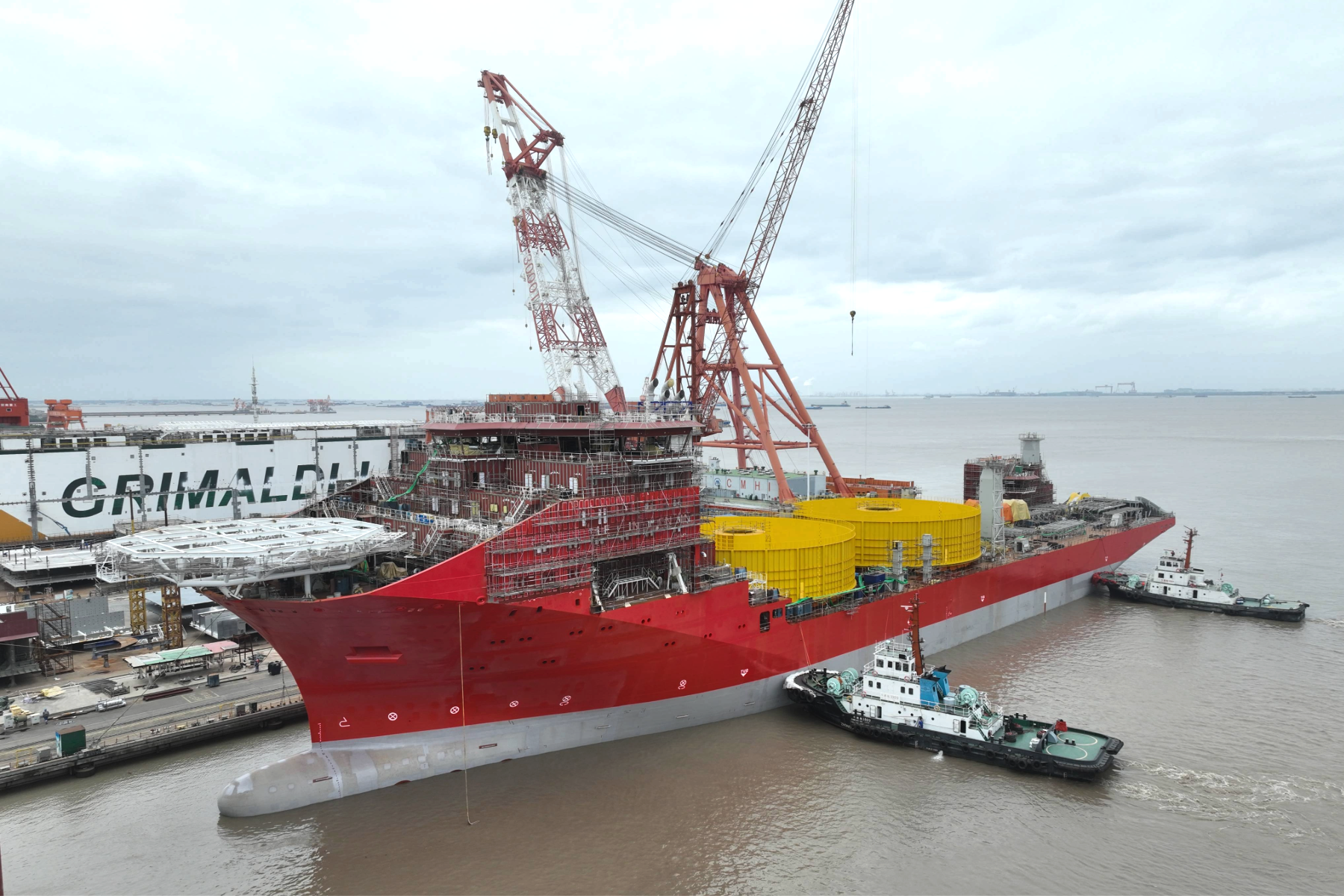
The NATO-L line would be installed by a vessel such as Jan De Nul's Fleeming Jenkin, the largest cable-laying ship in the world. Photo courtesy: Jan De Nul
The developer of a hugely ambitious plan to build a 4,000-kilometre-long, high-voltage undersea power line between Canada and Europe has revealed a shortlist of four routes for the $30-billion megaproject, marking a key step forward for what would be one of the world’s biggest-ever pieces of energy infrastructure.
Prepared by European offshore contracting giant Jan De Nul, which has a 75-year history in maritime construction for the oil and gas and wind industries, the mapping of the North Atlantic Transmission One Link (NATO-L), comes as the project finalized a deal with one of the “Big Three” western power technology players to build substations for the line.
“We are moving forward faster now. The more we and our prospective investors look at it, the more it makes sense for both sides, for different reasons — all around future power supply and energy security as electrification accelerates,” Laurent Segalen, one of a trio of European bankers leading development of NATO-L, told Canada’s National Observer.
“This line would allow Canada to have greater optionality, both to export and import power as needed,” he said. “Having options would make both Canada and Europe stronger by creating greater energy sovereignty for both. It makes good sense for allies to intelligently share resources.”
The four possible routes, which Jan De Nul in an engineering assessment of the project described as having the potential to create a “carbon-free electricity transmission between allied nations,” would link Canada to Europe through grid connections in the UK or the mainland.
This reporting is produced with support from I-SEA’s Climate Solutions project and is not behind National Observer’s subscriber paywall. Readers are asked to create a FREE National Observer account to access the full article.