

Feds fund clean energy push for isolated Inuit in Labrador
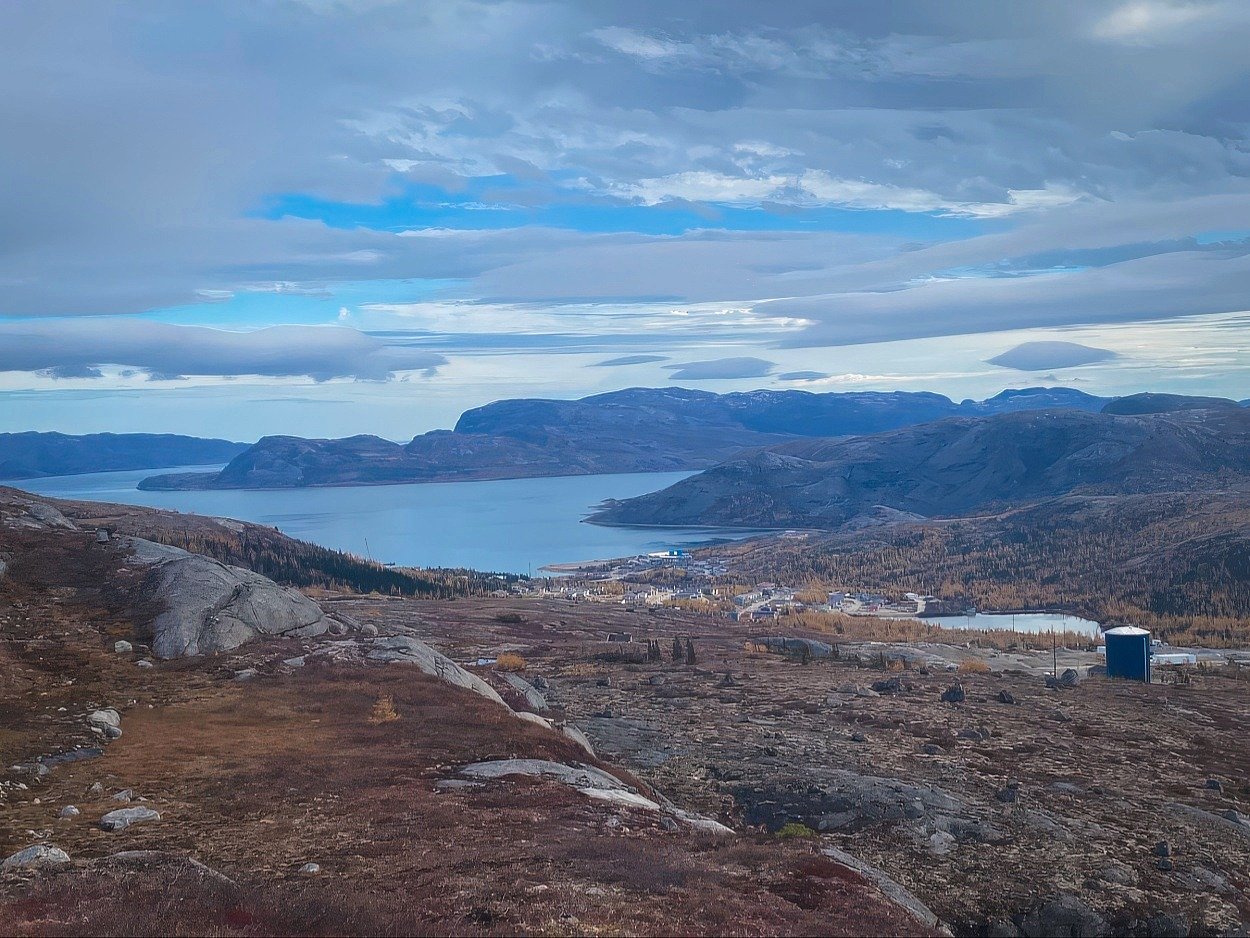
Aerial view of Nain, the northernmost permanent settlement in Newfoundland and Labrador with a population of about 1,200. Roughly 92 per cent of the people who live there identify as Indigenous, primarily Inuit. Photo submitted by Jamie Hewlett
By Sonal Gupta
In remote Inuit communities along Labrador’s northern coast, Ottawa is pushing renewable projects forward where power is currently generated primarily by diesel.
The federal government recently announced nearly $22 million for clean energy projects in Labrador. The largest share is for a wind-and-battery system in Nain, a fly-in Inuit community of about 1,200 people at the northernmost end of Nunatsiavut.
For their community, the funding represents a key milestone — one that turns a long-planned project into a buildable one, Jamie Hewlett, regional energy manager with the Nunatsiavut government, told Canada’s National Observer.
“The project just doesn’t happen without that [federal] support,” Hewlett said. “The fact that we’re so far north — logistics alone make it hard to make a project fully viable.”
With the new funding, the Nunatsiavut government will be able to begin construction next summer. The project will include two 1.5-megawatt wind turbines and a battery storage system — supplying most of Nain’s electricity when wind conditions allow. Work on the access roads and turbine foundations is set to begin in 2026 with installation of the turbines planned for 2027. The project is expected to be up and running by the end of 2027 or early 2028.
The federal funding builds on earlier provincial support, including a $3 million contribution from the Newfoundland and Labrador government, and is part of a wider push to cut diesel use in remote communities.
This reporting is produced with support from I-SEA’s Climate Solutions project and is not behind National Observer’s subscriber paywall. Readers are asked to create a FREE National Observer account to access the full article.
Climate Solutions
- September 2026 1
- August 2026 1
- July 2026 1
- March 2026 2
- February 2026 3
- January 2026 1
- December 2025 5
- November 2025 3
- October 2025 1
- September 2025 5
- August 2025 2
- November 2024 1
- July 2024 4
- June 2024 2
- January 2024 1
- December 2023 2
- August 2023 5
- June 2023 1
- May 2023 1
- April 2023 1
- March 2023 3
- February 2023 3
- December 2022 5
Youth Climate Action
- September 2026 2
- August 2026 1
- July 2026 3
- June 2026 3
- May 2026 2
- April 2026 3
- March 2026 5
- February 2026 3
- January 2026 2
- December 2025 4
- November 2025 1
- October 2025 5
- September 2025 3
- August 2025 2
- July 2025 3
- June 2025 1
- May 2025 2
- April 2025 3
- March 2025 2
- February 2025 2
- January 2025 2
- December 2024 1
- November 2024 1
- October 2024 2
- August 2024 1
- July 2024 4
- June 2024 1
- May 2024 2
- April 2024 4
- March 2024 1
- February 2024 3
- January 2024 4
- December 2023 1
- November 2023 3
- October 2023 3
- September 2023 1
- April 2023 1
- February 2023 2
- January 2023 2
- December 2022 1
- November 2022 4
- September 2022 3
- August 2022 3
- April 2022 1
Toxins in Canada
First Nations Forward
Sustainable Cities
Canada's Clean Economy
- August 2022 1
- December 2020 1
- November 2020 3
- September 2020 1
- August 2020 1
- June 2020 1
- May 2020 4
- February 2020 1
- December 2019 3
- November 2019 5
- October 2019 2
- August 2019 2
- July 2019 1
- June 2019 1
- May 2019 2
- April 2019 1
- March 2019 2
- February 2019 2
- December 2018 1
- February 2018 1
- November 2017 1