
The problem with tossing your electronics in the trash
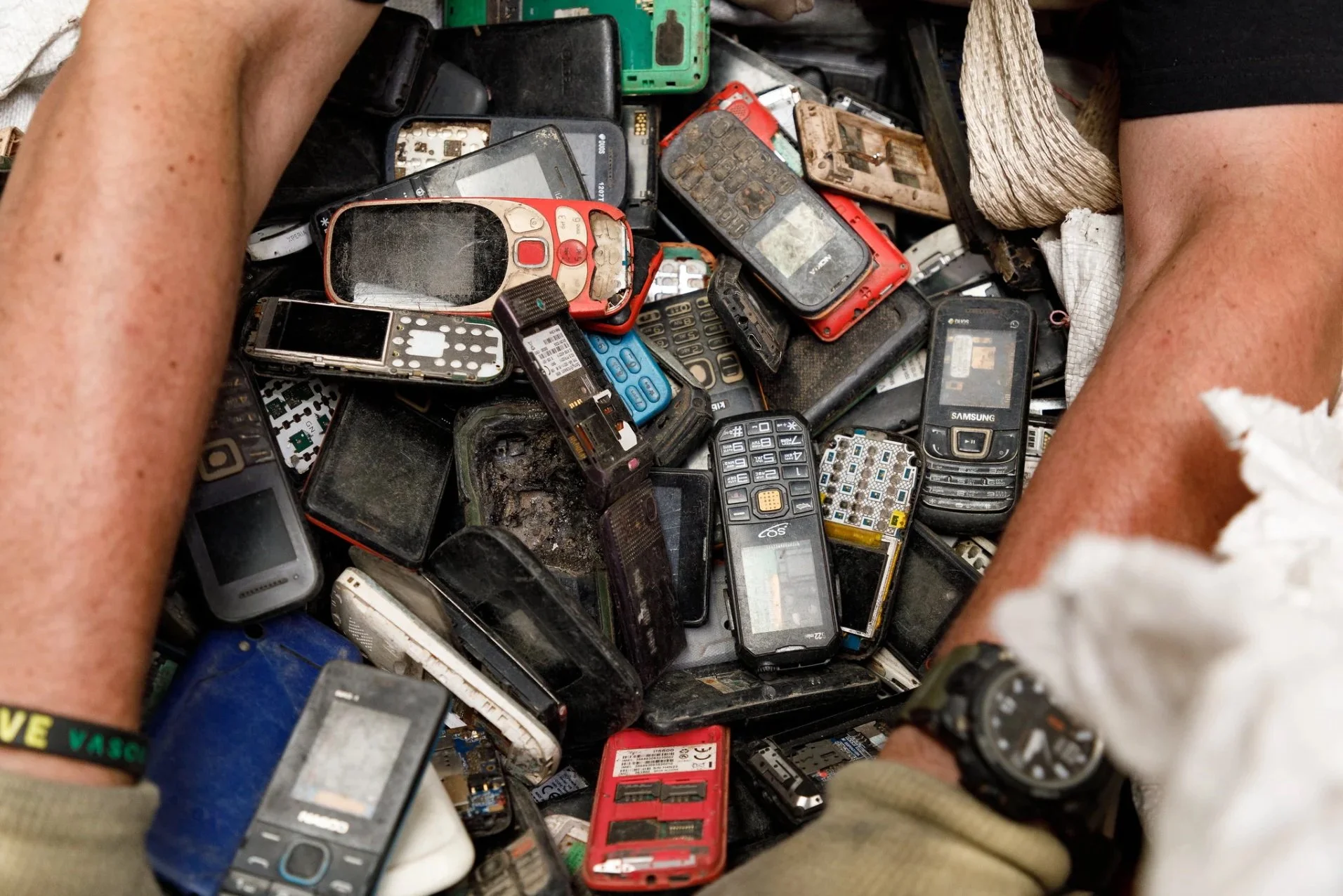
A collection of discarded mobile phones destined for recycling. Photo by Fairphone / Flickr (CC BY-SA 2.0)
By Abdul Matin Sarfraz
Canadians are tossing out electronics faster than ever — many before they break — a trend researchers say will double the country’s e-waste by the end of the decade.
A new study from the University of Waterloo shows Canada will generate about 2.3 million tonnes of electronic waste between 2025 and 2030 from just seven common household products.
The growing stream of discarded electronics will add pressure on municipalities already struggling to manage waste.
Municipalities in Ontario are racing to expand landfill capacity or find new disposal sites, a process that can take years and often faces strong local opposition, while a right-to-repair law that could mitigate the problem is moving through the Ontario legislature with an uncertain future.
The findings highlight a growing environmental challenge driven largely by consumer behaviour, particularly the tendency to replace devices that are still working.
Researchers examined how Canadians buy, use and dispose of electronics such as mobile phones, laptops and tablets, desktop computers, televisions, refrigerators, microwaves and laundry appliances.
The study surveyed about 800 households across nine provinces to understand how long these devices last and why people replace them.
The results show lifespans vary widely. Mobile phones have the shortest average lifespan at about 4.5 years, while laundry appliances last the longest at about 9.7 years.
Yet many devices are replaced even when they still function. About 65 per cent of electronics are replaced for reasons other than complete failure, including upgrades or minor problems such as battery issues or cracked screens. In some cases, the old devices are traded in or passed on, but many still end up discarded as waste.
The study also found 72 per cent of electronics are purchased brand new, while only five per cent are bought second-hand.
“That shows there is a huge unrealized opportunity to reduce e-waste,” said Komal Habib, a professor in the faculty of environment at the University of Waterloo and one of the study’s authors.
Habib said modern consumer culture plays a major role in the trend. She describes today’s economy as a “take-make-waste” system where raw materials are extracted, turned into products and then discarded relatively quickly.
“That is the reality of a linear economy,” she said, referring to a system in which people buy a product, use it and then throw it away — the opposite of a “circular economy” that plans for the entire lifetime of a product, including its disposal and reuse.
This reporting is produced with support from I-SEA’s Climate Solutions project and is not behind National Observer’s subscriber paywall. Readers are asked to create a FREE National Observer account to access the full article.
Climate Solutions
- September 2026 1
- August 2026 1
- July 2026 1
- March 2026 2
- February 2026 3
- January 2026 1
- December 2025 5
- November 2025 3
- October 2025 1
- September 2025 5
- August 2025 2
- November 2024 1
- July 2024 4
- June 2024 2
- January 2024 1
- December 2023 2
- August 2023 5
- June 2023 1
- May 2023 1
- April 2023 1
- March 2023 3
- February 2023 3
- December 2022 5
Youth Climate Action
- September 2026 2
- August 2026 1
- July 2026 3
- June 2026 3
- May 2026 2
- April 2026 3
- March 2026 5
- February 2026 3
- January 2026 2
- December 2025 4
- November 2025 1
- October 2025 5
- September 2025 3
- August 2025 2
- July 2025 3
- June 2025 1
- May 2025 2
- April 2025 3
- March 2025 2
- February 2025 2
- January 2025 2
- December 2024 1
- November 2024 1
- October 2024 2
- August 2024 1
- July 2024 4
- June 2024 1
- May 2024 2
- April 2024 4
- March 2024 1
- February 2024 3
- January 2024 4
- December 2023 1
- November 2023 3
- October 2023 3
- September 2023 1
- April 2023 1
- February 2023 2
- January 2023 2
- December 2022 1
- November 2022 4
- September 2022 3
- August 2022 3
- April 2022 1
Toxins in Canada
First Nations Forward
Sustainable Cities
Canada's Clean Economy
- August 2022 1
- December 2020 1
- November 2020 3
- September 2020 1
- August 2020 1
- June 2020 1
- May 2020 4
- February 2020 1
- December 2019 3
- November 2019 5
- October 2019 2
- August 2019 2
- July 2019 1
- June 2019 1
- May 2019 2
- April 2019 1
- March 2019 2
- February 2019 2
- December 2018 1
- February 2018 1
- November 2017 1