

Toronto teen is passing climate hope on to children — one story at a time
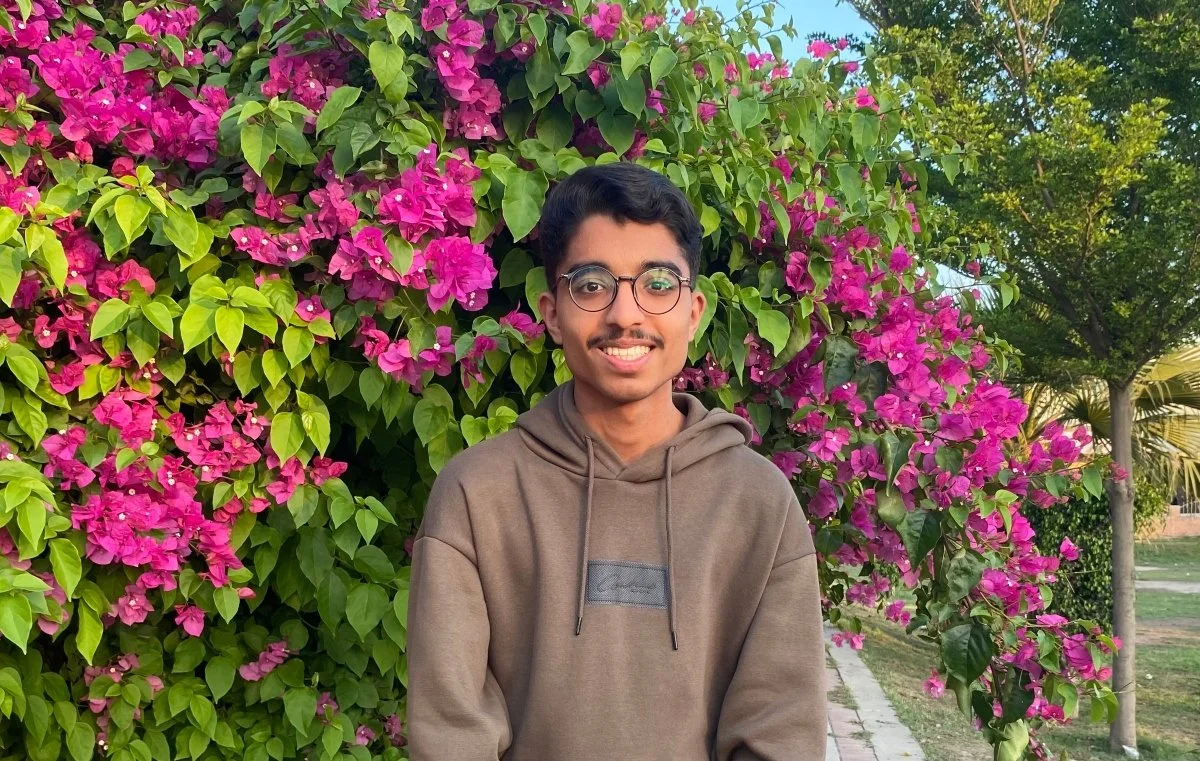
Ahmad Chattha wants his stories to feel like a hug: warm, reassuring and grounding. He is passing on climate hope to the children who come next. Photo courtesy: Ahmad Chatta
By Patricia Lane & Ahmad Chattha
Ahmad Chattha is passing on climate hope to the children who come next. This 18-year-old Toronto highschool student is determined to ensure that young children have stories of climate hope and resilience to lift them up.
Tell us about your work.
When my family immigrated to rural Alberta, I thought moving to Canada meant leaving those fears behind. Instead, in our very first year, a massive wildfire devastated Fort McMurray. Watching families evacuate under smoke-filled skies, I realized no place was truly untouched by climate disasters.
What made it harder was the absence of spaces for young people to talk about these fears. Adults discussed climate change through science, politics and debate, but no one addressed the emotional impact. I often felt alone with my worries. I had always enjoyed drawing and painting, but now art became a way to process feelings I couldn't easily explain.
Over time, I realized I was not alone. Many young people were quietly carrying the same fears. That realization inspired me to create spaces where those emotions could be acknowledged through storytelling. My project exists because I know what it feels like to carry these worries in silence…
What impact are you having?
Through my books, I aim to create emotional comfort alongside awareness. I want my stories to feel like a hug: warm, reassuring and grounding. I want young readers to understand that their feelings are valid, that they are not alone and that hope is still possible.
My work focuses on showing that small actions, empathy and community care truly matter, so young people see themselves not just as witnesses to climate change, but as people who can make meaningful contributions. My book Ripples and the River of Trouble has been animated and has connected with over 800,000 people on YouTube. This interest reveals a strong appetite for storytelling that addresses the emotional side of climate change.
READ MORE Free to read — no sign-in required.
Youth Climate Action
- September 2026 2
- August 2026 1
- July 2026 3
- June 2026 3
- May 2026 2
- April 2026 3
- March 2026 5
- February 2026 3
- January 2026 2
- December 2025 4
- November 2025 1
- October 2025 5
- September 2025 3
- August 2025 2
- July 2025 3
- June 2025 1
- May 2025 2
- April 2025 3
- March 2025 2
- February 2025 2
- January 2025 2
- December 2024 1
- November 2024 1
- October 2024 2
- August 2024 1
- July 2024 4
- June 2024 1
- May 2024 2
- April 2024 4
- March 2024 1
- February 2024 3
- January 2024 4
- December 2023 1
- November 2023 3
- October 2023 3
- September 2023 1
- April 2023 1
- February 2023 2
- January 2023 2
- December 2022 1
- November 2022 4
- September 2022 3
- August 2022 3
- April 2022 1